How a Sluis Gate resparked my love of engineering
On a pleasant summer’s afternoon walking in the Dutch countryside my attention was drawn to the gentle trickling of water from this gate thingy:
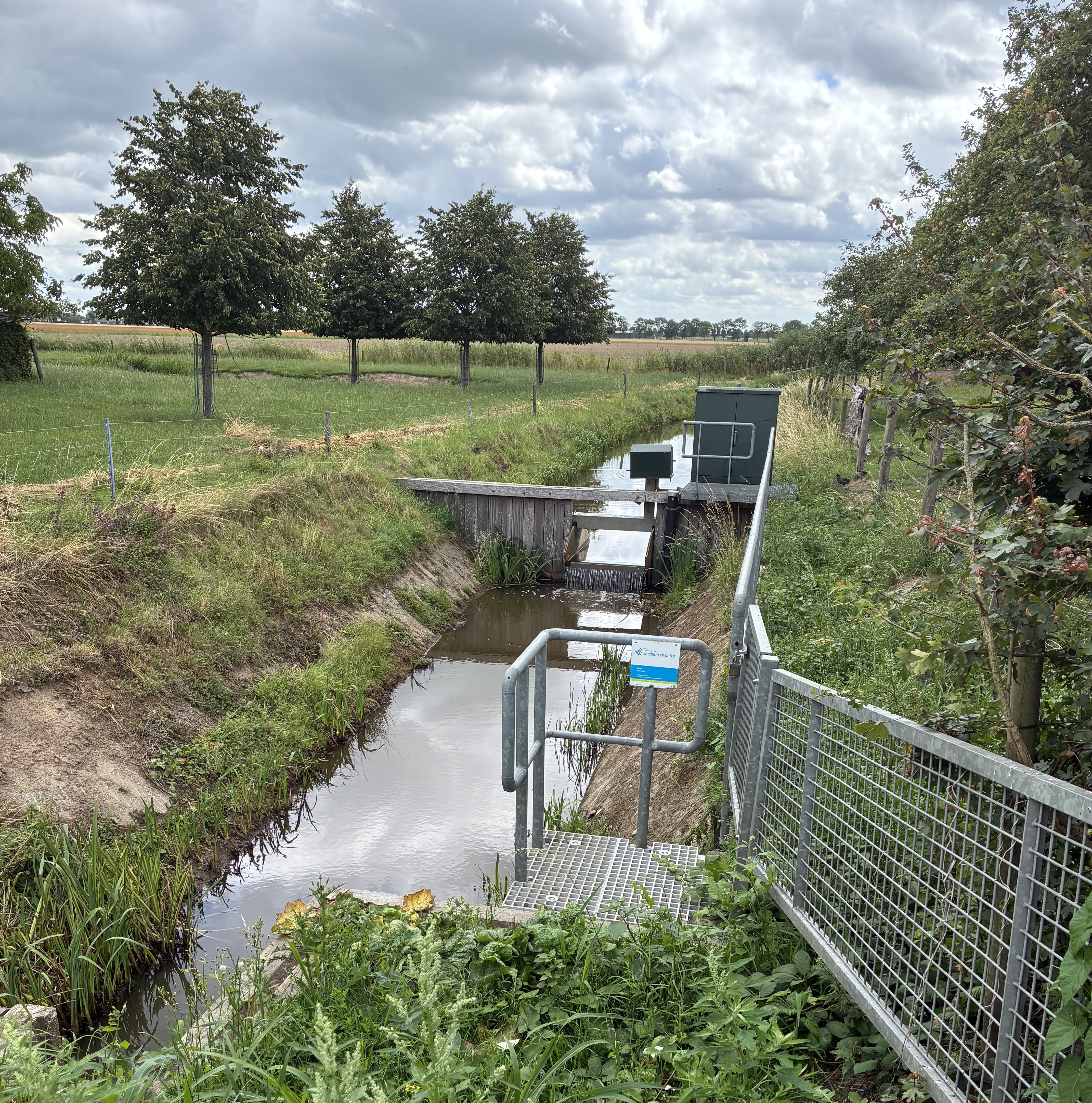
What was this thing doing here? Why is there a drop in water levels? Why is it currently letting water flow? Why here and not 100m further up? Why does it have what appears to be an automatic opener and closer? Why why why…
I pushed these incessant questions to the back of my mind and continued my walk down the cobbled countryside road to Jumbo to buy what may or may not have been my 100th stroopwaffle of the trip. But because this gate was on the way to delicious dutch pastry goodness it was impossible for these questions to leave my mind.
So I took this picture and wandered back to my accommodation with the power of the internet to help satiate my long list of why questions. I zoomed into the blue tag affixed to the metal railing and after some internet magic I discovered that it is called a sluice gate (sluis in Dutch) and it is called the “Deltawerken” or “Delta Works”.
But whilst one question was answered new questions popped up. What is the “Delta Works” and what does it do? I became more and more curious and then I realized I was close to the perfect place to get an understanding of these things, Kinderdijk. Kinderdijk is probably most famous for their picturesque lined-up windmills floating by the water but to me it was a fascinating physical model of the Dutch water management system that has existed and evolved over hundreds of years.
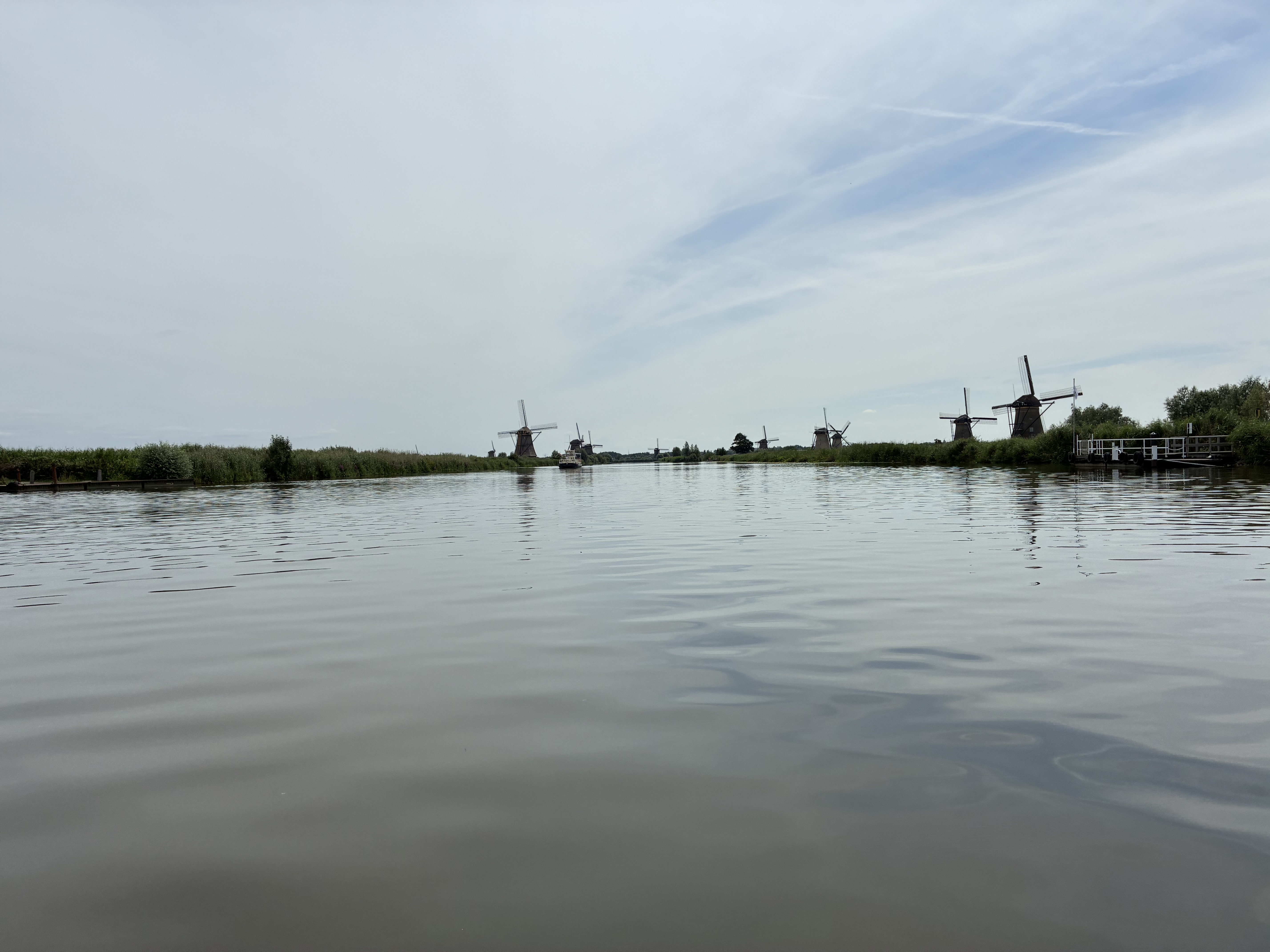
After Kinderdijk I was left with more questions. How does this system operate at a national level? How do they decide when to close the humungous flood gates? How on earth did the Dutch people collectively agree to build something like the Afsluitdijk, a 32 km wall built in the middle of the sea?! And finally how do they decide when to raise or lower that little gate in the countryside on stroopwaffle road?
And then it was time to go back home.
(It is beyond the point of this post but perhaps I have unlocked your curiosity and whilst I’d love to write a short summary it wouldn’t do the story justice and besides, this could be a journey of discovery that you could embark on yourself. All I want to convey is how incomprehensibly complex and fascinating the Delta works is, how incredibly intelligent Dutch water engineers are and how much is possible if people across society are to achieve something that appears impossible.)
When I got home and no longer had the Dutch waterways of my environment to satisfy my curiosity I turned to my own stuff instead. Everything around me that I had walked by for years without questions suddenly became full of questions.
This journey continued, from big things like the power cables to my house, to small things such as taking apart my standing desk switch, to even smaller things taking apart my bluetooth speaker (I was hoping to replace the batteries but that does not appear to be easy), to even smaller things such as this Continuous Glucose Monitor:
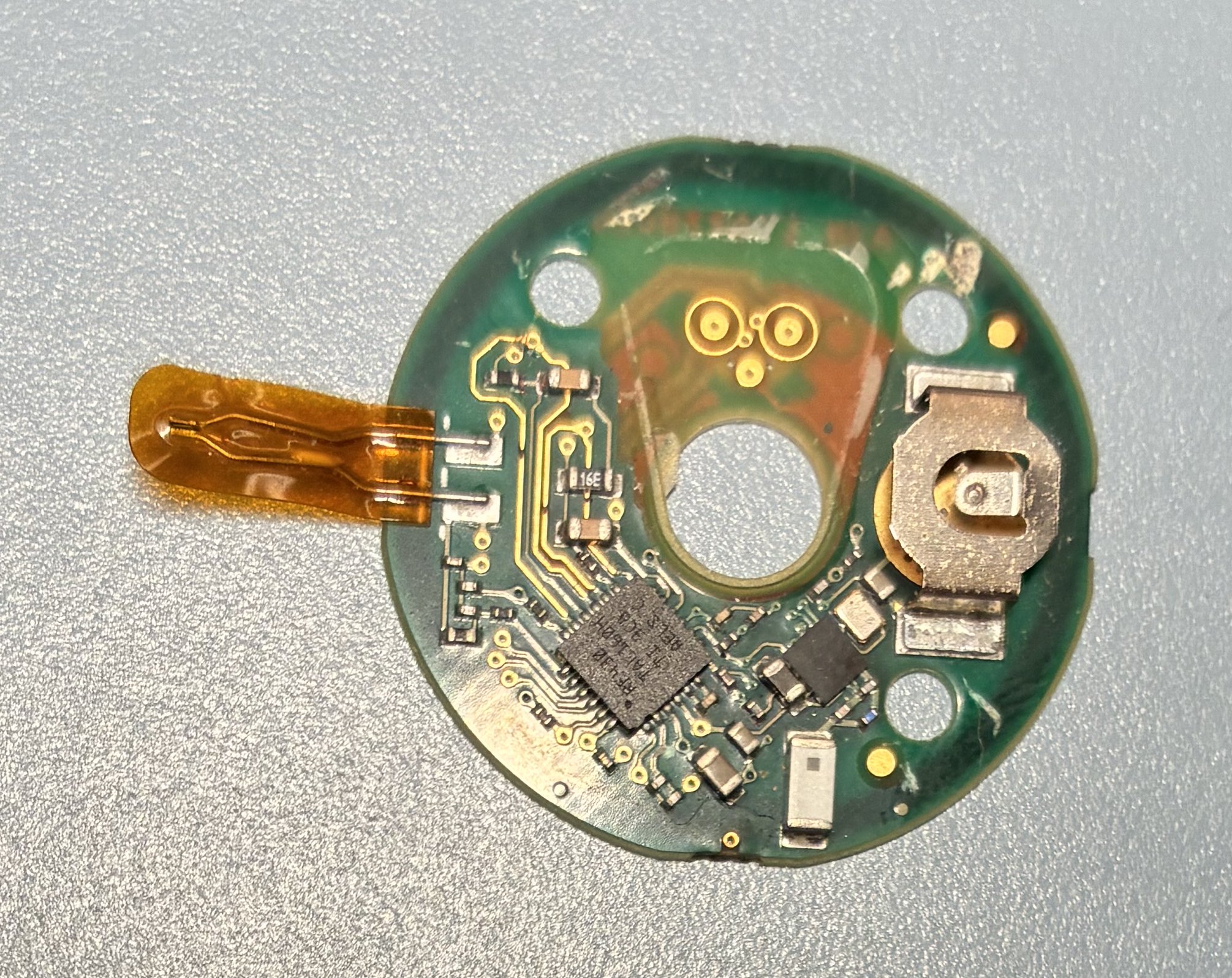
I wanted to know how these things worked. What is this chip used for? Why this chip over that one? Why is this wire trace a squiggly line like a maze? What is this pin’s purpose? I found myself buried in datasheets looking up the voltage and clock speeds of integrated circuits.
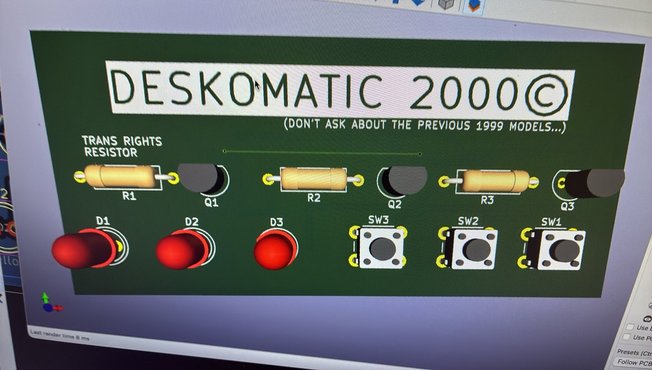
When I had torn apart many of my own things I started to build things instead. There’s now a Raspberry Pi Pico sitting on my desk which now controls it instead and a suite of new tools that I didn’t previously own or hadn’t in a long time.
I’ve done things which If you told me I would have been doing a year ago I would have not believed you. A lot of steps have shown me the incredible things people are able to do and how they are willing to share their own time to spread their joy of these things. From folks that wrote Micropython allowing me to write my first embedded program to the folks that have written the wonderful open source tool KiCad which has allowed me to design a PCB.
I have learned many things, not for the sake of any purpose or end goal but as an end in itself, for the pure joy of pulling a thread until I no longer wish to pull it. Exploring things without obligations or expectations has been a revelation.
Who knows where this journey is heading. I have since dropped the thread on dutch water but it’s comforting to know that that thread is incredibly long and I have since learnt so many other things that I have more strength to pull on it further if I wish. Maybe I wont, but that Sluis gate below sea level nestled between an organic farm and a tractor dealer in the Dutch countryside is where I repicked up the curiosity thread and I am eternally grateful for it.